
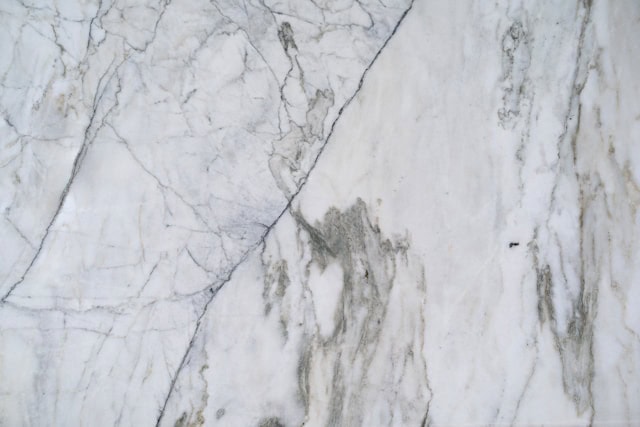
Few natural materials have the ability to transform a room as effortlessly as marble tile. Used for centuries in architecture, sculpture, and interior design, marble continues to feel relevant because no two pieces are exactly alike. Every tile carries its own veining, tonal variations, and subtle imperfections created by nature.
That individuality is precisely what makes marble so appealing. It does not simply cover a surface. It becomes part of the character of the space.
From sophisticated bathrooms and bright kitchens to dramatic entryways and decorative walls, marble tile can work in both traditional and contemporary interiors. The final effect depends on the marble variety, tile format, finish, pattern, and surrounding materials.
Why Marble Tile Remains So Popular
Trends in interior design change quickly, but marble rarely disappears. One reason is its versatility. A softly veined white marble can create a light, understated atmosphere, while darker stone with pronounced veining can become the visual centerpiece of an entire room.
Natural marble also has depth that is difficult to imitate perfectly. Light interacts with the stone in a way that gives the surface a rich and distinctive appearance.
For homeowners and designers, marble tile offers another advantage: choice. Marble is available in numerous colors and patterns, ranging from classic whites and creams to beige, gray, brown, green, and darker shades. This makes it possible to select stone that complements almost any interior concept.
Where Can Marble Tile Be Used?
Bathrooms are among the most popular places for marble. Marble floors, shower walls, vanity surrounds, and feature areas can create a cohesive and luxurious environment without requiring excessive decoration.
Kitchens provide another interesting opportunity. A marble tile backsplash can introduce natural texture behind countertops and cabinetry. Depending on the chosen stone, it can either blend quietly into the design or become an eye-catching feature.
Marble can also be considered for:
• Bathroom floors and walls
• Kitchen backsplashes
• Entryways and hallways
• Fireplace surrounds
• Decorative feature walls
• Powder rooms
• Living areas
• Selected commercial interiors
The suitability of a particular marble depends on the application, finish, expected traffic, and maintenance requirements. Natural stone should therefore be selected with the intended location in mind rather than purely by appearance.
Choosing the Right Marble
It is easy to look at marble and simply choose the pattern that catches your eye. In practice, a little more thought produces better results.
Start with color. White and light-colored marble can make smaller rooms feel brighter and more open. Beige and cream varieties tend to create a warmer atmosphere. Gray marble works particularly well in modern interiors, while darker stones can add contrast and drama.
Then consider the veining.
Some marble tile has delicate, almost cloud-like movement. Other varieties feature strong veins that immediately attract attention. Neither option is inherently better. The right choice depends on what role the stone should play within the room.
If the cabinetry, furniture, or fixtures already contain strong visual elements, subtle marble may provide balance. In a minimalist room, more expressive marble can supply the character that would otherwise be missing.
Tile Size and Pattern Change the Entire Look
The same marble can produce very different results depending on how it is cut and installed.
Larger tiles generally create a cleaner appearance with fewer grout lines. Smaller formats can introduce more detail and are particularly useful for decorative areas. Mosaic marble opens even more possibilities, including geometric layouts and intricate patterns.
Classic rectangular formats can also be arranged in different ways. A straightforward installation feels orderly and timeless, while herringbone and other patterns introduce movement.
This flexibility allows marble tile to adapt to the architecture rather than forcing every room into the same visual style.
Polished or Honed Marble?
Finish is another important consideration.
Polished marble has a glossy, reflective surface that emphasizes color and veining. It can create an elegant, formal appearance and reflect additional light throughout a room.
Honed marble has a softer, more matte finish. Many designers appreciate it for contemporary interiors because it feels understated and natural.
The intended application matters as well. Floors, wet areas, walls, and backsplashes have different practical requirements. When choosing a finish, appearance should therefore be considered together with factors such as grip, maintenance, and daily use.
Understanding Natural Variation
Anyone considering marble should understand one essential fact: variation is part of the material.
Natural marble tile is not manufactured to produce identical pieces. One tile may contain a prominent vein while the next appears considerably quieter. Colors and patterns can vary across a batch.
This should not automatically be considered a defect. It is one of the qualities that distinguishes genuine natural stone from mass-produced alternatives.
A good installation takes this variation into account. Tiles can be laid out before installation so the installer can distribute different patterns and tones across the surface. This helps create a balanced composition while preserving the natural character of the marble.
Caring for Marble Tile
Marble is beautiful, but it deserves appropriate care.
Because marble is a natural stone, homeowners should use cleaning products suitable for the material. Harsh or acidic products can affect the surface. Depending on the type of marble and its application, sealing may also be recommended to help protect the stone.
Spills should generally be addressed promptly, particularly in kitchens and other areas where food, drinks, cosmetics, or household products are frequently used.
Proper maintenance does not have to be complicated. It simply means treating marble as natural stone rather than assuming it behaves like ceramic or porcelain.
A Surface That Makes Every Project Unique
There is a reason marble has remained desirable across generations of architecture and interior design. It combines natural beauty with extraordinary variety.
A carefully selected marble tile can be quiet and refined or bold and expressive. It can complement traditional interiors, soften minimalist spaces, or create a striking focal point in a modern home.
Most importantly, marble brings something genuinely individual into a project. Veins, shades, and patterns formed naturally ensure that the finished surface has its own identity.
For anyone searching for a material that offers elegance without looking generic, marble tile remains an exceptional choice. It is not simply about following a design trend. It is about introducing authentic natural stone, texture, and lasting visual character into the spaces people use every day.