
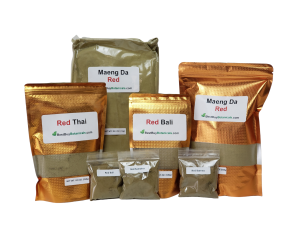
The botanical supplement market has expanded considerably in recent years, bringing greater attention to plant-derived products and the importance of responsible sourcing. Among these products, premium kratom powder has become a subject of growing interest, particularly among consumers who want to understand how botanical materials are cultivated, processed, tested, and evaluated.
However, not every product marketed as premium meets the same standards. Differences in harvesting methods, manufacturing conditions, laboratory testing, and ingredient transparency can significantly influence the quality of the finished powder.
Understanding these factors is essential for anyone researching kratom and the broader botanical marketplace.
What Is Premium Kratom Powder?
Kratom comes from Mitragyna speciosa, a tropical evergreen tree native to Southeast Asia, particularly Thailand, Indonesia, Malaysia, and surrounding regions. Its leaves contain naturally occurring alkaloids, including mitragynine and 7-hydroxymitragynine, which interact with opioid receptors in the human body.
The term premium kratom powder is generally used to describe finely ground kratom leaves marketed as meeting particular standards of processing, consistency, or purity. Nevertheless, the word “premium” has no universally recognized regulatory definition in this product category.
A higher price, attractive packaging, or a sophisticated product description does not automatically demonstrate superior quality.
Instead, meaningful quality assessment depends on measurable factors such as identity verification, contaminant screening, manufacturing controls, and accurate labeling.
Why Botanical Sourcing Matters
The journey from a tropical tree to a packaged botanical powder involves several stages. Each stage introduces variables that may influence the characteristics of the final material.
Kratom trees grow in humid tropical environments, where rainfall, soil composition, sunlight, and agricultural practices can affect plant development. Harvesting procedures and the handling of leaves after collection also contribute to differences between batches.
For businesses involved in botanical supply chains, traceability is particularly important.
A transparent sourcing process should make it possible to identify where plant material originated, how it was handled, and which production batch it belongs to.
This information helps manufacturers investigate quality concerns and supports more consistent product documentation.
Laboratory Testing and Product Transparency
One of the most important considerations when evaluating premium kratom powder is independent laboratory testing.
Botanical products can be exposed to contamination during cultivation, transportation, storage, or processing. Testing provides information that cannot be established through appearance, smell, or marketing claims alone.
Relevant quality assessments may include:
• Botanical identity testing to help confirm the plant material
• Heavy metal screening for contaminants such as lead, arsenic, cadmium, and mercury
• Microbiological testing for potentially harmful organisms, including Salmonella
• Analysis of alkaloid concentrations to document batch composition
• Screening for unexpected additives or adulterants
A certificate of analysis, commonly called a COA, can provide useful evidence about a particular batch. Ideally, this document should identify the tested material, laboratory, analytical methods, and relevant results.
Consumers should also understand that laboratory testing does not establish that kratom is safe to consume. Kratom carries risks of dependence, withdrawal, adverse reactions, and potentially dangerous interactions with medications or other substances.
Processing Methods and Consistency
After harvesting, botanical leaves undergo handling, drying, grinding, and packaging. The conditions surrounding these processes can affect the consistency and cleanliness of the finished material.
Poor storage conditions may introduce moisture or encourage microbial contamination. Inadequately maintained grinding equipment can create additional contamination risks.
Manufacturers seeking consistent production standards therefore pay attention to sanitation, equipment maintenance, moisture control, and batch documentation.
Particle size is another characteristic commonly discussed in relation to powdered botanicals. A uniform texture may indicate consistent milling, although fineness alone does not establish purity or safety.
For premium kratom powder, production records and verifiable testing results provide more meaningful quality information than visual appearance.
Understanding Kratom Strain Names and Marketing Claims
Kratom products are frequently described using color categories such as red, green, and white. These labels are widespread in commercial descriptions, but they should not be mistaken for standardized scientific classifications.
The chemical composition of kratom can vary between samples, and strain names do not reliably predict specific effects.
Similarly, claims that a particular variety will improve energy, relieve pain, reduce anxiety, or enhance concentration should be approached carefully.
Research into kratom remains incomplete, and its pharmacological activity raises important safety concerns.
There is also no established universally safe dose of kratom. The concentration of active alkaloids can differ considerably between products, making assumptions based on product names especially unreliable.
The Importance of Accurate Labeling
Clear product labeling is an important part of responsible botanical commerce.
A label should accurately identify the botanical ingredient and avoid unsupported medical promises. Batch identification, manufacturer information, storage guidance, and relevant safety warnings can help consumers better understand what a product contains.
The absence of unnecessary additives may be a desirable manufacturing characteristic, but a simple ingredient list does not guarantee safety.
Consumers researching premium kratom powder should be particularly cautious about products promoted as completely risk-free, medically proven, or suitable for everyone.
Such statements can create misleading expectations about a substance that has documented pharmacological effects.
Regulatory Considerations and Consumer Safety
Kratom regulations differ substantially between countries and, in some jurisdictions, between individual states or regions.
Some authorities restrict or prohibit its sale, possession, or distribution. Others regulate aspects of labeling, age restrictions, product composition, or manufacturing practices.
Regulatory compliance should therefore be assessed according to the specific market involved.
Kratom is not approved by the U.S. Food and Drug Administration as a safe and effective treatment for any medical condition. Its use has been associated with adverse effects, including nausea, constipation, dizziness, dependence, and withdrawal symptoms. Serious complications have also been reported, particularly when other substances are involved.
Anyone considering kratom for a health-related reason should seek advice from a qualified healthcare professional rather than relying on commercial product descriptions.
How the Botanical Industry Can Build Greater Trust
As interest in botanical products grows, transparent business practices become increasingly important.
Companies can strengthen consumer confidence through clear documentation, accurate descriptions, accessible quality-control information, and responsible communication.
For example, a business that provides batch-specific laboratory reports offers customers more verifiable information than one relying entirely on general claims about exceptional purity.
Likewise, a company that openly discusses limitations and safety considerations demonstrates a more responsible approach than one promising guaranteed results.
Trust is not created by the word “premium.” It develops when customers can independently evaluate the information behind a product.
Final Thoughts: Quality Begins With Verifiable Information
The discussion surrounding premium kratom powder extends beyond packaging, appearance, or commercial positioning. Botanical identification, supply-chain transparency, laboratory analysis, manufacturing practices, and regulatory compliance all deserve careful consideration.
Consumers should remain aware that quality testing and responsible production cannot eliminate the health risks associated with kratom.
For anyone researching this botanical category, the most valuable approach is to prioritize reliable information, understand the limitations of marketing terminology, and make safety an essential part of every evaluation.
Ultimately, meaningful quality is demonstrated through evidence rather than promises.