
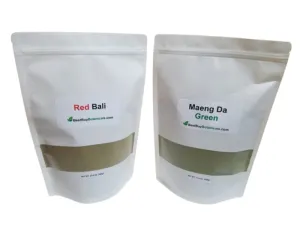
The quality of botanical products can vary considerably, even when they appear similar at first glance. For consumers researching premium kratom powder, understanding how the product is sourced, processed, tested, and stored is essential. These factors influence consistency, transparency, and the overall reliability of the finished botanical material.
Kratom, scientifically known as Mitragyna speciosa, is a tropical tree native to Southeast Asia. Its leaves contain naturally occurring alkaloids, including mitragynine and 7-hydroxymitragynine, which interact with opioid receptors in the human body. Because these compounds can have significant physiological effects, responsible product evaluation involves more than appearance or price.
What Defines Premium Kratom Powder?
The expression premium kratom powder is widely used in botanical product descriptions, but it does not represent a universally regulated quality grade. A product described as premium should therefore be evaluated using measurable characteristics rather than marketing language alone.
Several considerations help distinguish carefully handled botanical materials from products with insufficient quality documentation.
• Botanical identification: Accurate identification of the plant species helps prevent substitution or contamination with unrelated botanical materials.
• Laboratory testing: Independent analysis can identify certain contaminants and measure alkaloid concentrations.
• Processing standards: Documented drying, milling, and packaging procedures support consistent handling.
• Traceability: Information about the source and production batch makes quality concerns easier to investigate.
• Storage conditions: Appropriate packaging and environmental controls help protect dried botanical material from moisture and deterioration.
These characteristics provide a more meaningful foundation for evaluating botanical quality than descriptive labels alone.
Understanding Kratom Cultivation and Harvesting
Kratom trees naturally grow in warm, humid environments, particularly in countries such as Indonesia, Thailand, and Malaysia. The growing conditions, harvesting practices, and post-harvest handling can influence the chemical composition of their leaves.
Environmental factors, including soil characteristics, rainfall, sunlight, and plant maturity, may contribute to variations between harvests. This natural variability makes standardized quality procedures particularly important.
After harvesting, leaves generally undergo drying and grinding before becoming a fine botanical powder. During these stages, poor handling can introduce contamination or create inconsistencies between batches.
Responsible suppliers should be able to explain their processing methods and identify the measures taken to maintain hygiene throughout production.
Why Independent Laboratory Testing Matters
One of the most important considerations when evaluating premium kratom powder is the availability of credible laboratory documentation.
Testing can help identify substances that should not be present in botanical products. Depending on the testing protocol, laboratory analysis may include screening for:
• Heavy metals such as lead, arsenic, cadmium, and mercury.
• Microbial contamination, including potentially harmful bacteria.
• Pesticide residues associated with agricultural production.
• Alkaloid concentrations and variations between batches.
• Undeclared substances or adulterants.
A certificate of analysis, commonly called a COA, can provide valuable information about a specific production batch. Ideally, this document should identify the testing laboratory, analytical methods, batch number, testing date, and reported results.
However, laboratory documentation is only useful when it is authentic, relevant, and sufficiently comprehensive. A certificate for an unrelated batch does not establish the quality of the product currently being evaluated.
The Difference Between Botanical Strain Names and Verified Composition
Kratom products are frequently described using commercial names associated with colors or geographic locations. Common examples include red, green, and white varieties.
These descriptions may reflect supplier classifications or processing traditions, but they should not be interpreted as scientifically standardized categories.
Two products with the same commercial name may contain different alkaloid concentrations. Conversely, products marketed under different names may have similar chemical profiles.
For this reason, consumers researching premium kratom powder should place greater importance on verified composition and transparent testing than on strain names or unsupported claims.
Chemical analysis offers more meaningful information than assumptions based on packaging terminology.
Proper Packaging and Storage
Even carefully processed botanical material requires suitable storage conditions.
Dried plant powders can absorb moisture from their surroundings, potentially affecting their physical characteristics and increasing the risk of deterioration.
Packaging should therefore help protect the material from excessive humidity, direct sunlight, and unnecessary environmental exposure.
Clear labeling is equally important. A responsible botanical product label should provide information that allows consumers to identify the product and understand relevant precautions.
Useful details may include the botanical species, batch identification, net weight, storage instructions, manufacturer or distributor information, and applicable safety warnings.
Packaging quality alone cannot demonstrate purity, but appropriate labeling and traceability are important parts of responsible botanical product management.
Recognizing Transparent Botanical Suppliers
Transparency is a valuable indicator when assessing businesses operating in the botanical market.
For example, imagine two suppliers offering products described as premium kratom powder.
The first provides attractive packaging and broad quality claims but offers little information about testing or production.
The second explains its sourcing procedures, identifies product batches, and makes relevant laboratory results available.
Although neither presentation alone guarantees product safety, the second supplier provides more information that can be independently evaluated.
This distinction matters because botanical quality should be supported by evidence rather than promises.
Companies such as Best Deal Botanicals operate in a market where consumers increasingly look for clear product information, traceability, and responsible communication. When evaluating any supplier, customers should verify current documentation rather than assuming that a brand name or product description establishes quality.
Health Risks and Regulatory Considerations
Kratom is not an ordinary culinary herb. Its active compounds can produce opioid-like effects and carry meaningful health risks.
Reported concerns include nausea, constipation, dizziness, dependence, withdrawal symptoms, and potentially serious adverse reactions. Combining kratom with alcohol, sedatives, opioids, or other substances may increase risks.
Kratom products are not approved by the U.S. Food and Drug Administration as safe and effective treatments for any medical condition. Product quality testing does not establish that kratom is safe to consume.
Regulatory requirements also differ between jurisdictions. Some countries and U.S. states restrict or prohibit kratom, while others impose specific rules on labeling, testing, or distribution.
Anyone considering a kratom product should understand the applicable laws and discuss potential health risks with a qualified healthcare professional.
Frequently Asked Questions About Premium Kratom Powder
What does premium kratom powder mean?
Premium kratom powder is a commercial description rather than an officially standardized botanical grade. Its meaning depends on the supplier, so claims should be assessed through testing, traceability, and documented quality procedures.
Does a higher price guarantee better quality?
No. Price alone cannot establish botanical purity, accurate labeling, or product safety. Independent laboratory documentation and transparent production information are more useful indicators.
Why can kratom batches differ?
Kratom is a natural botanical material. Environmental conditions, harvesting methods, processing practices, and plant chemistry can contribute to differences in alkaloid composition between batches.
Is laboratory-tested kratom safe?
Not necessarily. Laboratory testing can identify selected contaminants and chemical characteristics, but it cannot eliminate the inherent pharmacological risks associated with kratom.
What information should consumers look for?
Important information includes botanical identification, batch numbers, relevant laboratory results, storage instructions, supplier contact details, and appropriate safety warnings.
Final Thoughts on Botanical Quality
Evaluating premium kratom powder requires attention to evidence, not simply product descriptions. Botanical identification, responsible sourcing, documented processing, laboratory testing, and traceability all contribute to a clearer understanding of product quality.
The most meaningful distinction is between claims that can be independently verified and those that cannot.
As interest in botanical products continues, informed evaluation and responsible communication remain essential. Consumers benefit from understanding both the limitations of quality claims and the health risks associated with kratom, while suppliers have an important responsibility to provide accurate, transparent information.